


How to Measure Volatility

How to Measure Volatility

Volatility is the single most important factor determining the risk level and potential return of an asset. It is a statistical measure of the dispersion of returns for a given security or market index. In simple terms, it tells you
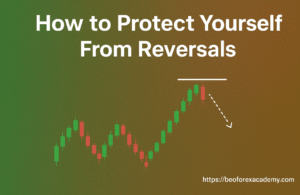

How to Protect Yourself From Reversals

How to Protect Yourself From Reversals

Protecting capital from an unexpected trend reversal is a core component of professional risk management. A good defense ensures that temporary market volatility does not eliminate profits or result in disproportionate losses. The strategies below focus on limiting exposure, confirming

How to Identify Reversals and Retracements

How to Identify Reversals and Retracements

Differentiating between a temporary correction (retracement) and a long-term change (reversal) is the most critical skill in trend trading. Successfully identifying a trend reversal early can protect capital and unlock new trading opportunities, while accurately spotting a trend retracement allows

Trend Retracement vs Reversal - Key Differences

Trend Retracement vs Reversal – Key Differences

In technical analysis, a movement against the prevailing trend can signal one of two things: a temporary pause for price correction (a Retracement), or a definitive change in the market’s direction (a Reversal). Successful trend traders must distinguish between these

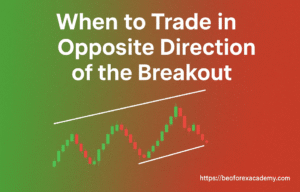
When to Trade in Opposite Direction of the Breakout

When to Trade in Opposite Direction of the Breakout

Trading in the opposite direction of an apparent breakout, known as Fakeout Trading or Trap Trading, is a powerful counter-trend strategy. It capitalizes on the failure of a majority of breakout attempts, trapping traders who entered on the initial move

How to Detect Fakeouts

How to Detect Fakeouts

Learning how to detect fakeouts before they happen turns you from prey into predator. This article gives you the exact filters, volume tricks, candle patterns, and timing rules used by professional traders to spot fake breakouts on EUR/USD, NAS100, Gold,

How to Measure the Strength of a Breakout

How to Measure the Strength of a Breakout

Trading breakouts when the price moves decisively outside a defined support or resistance area is one of the most profitable strategies in technical analysis. However, the majority of initial penetrations are false breakouts (fakeouts). To succeed, a trader must be

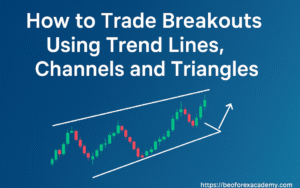
How to Trade Breakouts Using Trend Lines, Channels and Triangles

How to Trade Breakouts with Trend Lines, Channels & Triangles

Trading breakouts is a high-reward strategy that aims to capture explosive price movements when a market moves outside a period of defined stability. While the concept is simple,buy high or sell low when a barrier breaks the execution requires precision,

Types of Breakouts in forex

Types of Breakouts in forex

In forex trading, a breakout is one of the most exciting and profitable events. It occurs when the price of a currency pair moves decisively outside a previously established area of consolidation, defined by levels of support or resistance. This

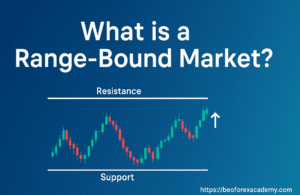
What is a Range-Bound Market?

What is a Range-Bound Market?

A range-bound market (also called sideways, consolidating, or choppy market) is when price oscillates between a clearly defined horizontal support and resistance without making significant higher highs or lower lows. Understanding what a range-bound market is and how to trade

How to Measure Volatility

How to Measure Volatility

Volatility is the single most important factor determining the risk level and potential return of an asset. It is a statistical measure of the dispersion of returns for a given security or market index. In simple terms, it tells you
How to Protect Yourself From Reversals

How to Protect Yourself From Reversals

Protecting capital from an unexpected trend reversal is a core component of professional risk management. A good defense ensures that temporary market volatility does not eliminate profits or result in disproportionate losses. The strategies below focus on limiting exposure, confirming

How to Identify Reversals and Retracements

How to Identify Reversals and Retracements

Differentiating between a temporary correction (retracement) and a long-term change (reversal) is the most critical skill in trend trading. Successfully identifying a trend reversal early can protect capital and unlock new trading opportunities, while accurately spotting a trend retracement allows

Trend Retracement vs Reversal - Key Differences

Trend Retracement vs Reversal – Key Differences

In technical analysis, a movement against the prevailing trend can signal one of two things: a temporary pause for price correction (a Retracement), or a definitive change in the market’s direction (a Reversal). Successful trend traders must distinguish between these

When to Trade in Opposite Direction of the Breakout

When to Trade in Opposite Direction of the Breakout

Trading in the opposite direction of an apparent breakout, known as Fakeout Trading or Trap Trading, is a powerful counter-trend strategy. It capitalizes on the failure of a majority of breakout attempts, trapping traders who entered on the initial move

How to Detect Fakeouts

How to Detect Fakeouts

Learning how to detect fakeouts before they happen turns you from prey into predator. This article gives you the exact filters, volume tricks, candle patterns, and timing rules used by professional traders to spot fake breakouts on EUR/USD, NAS100, Gold,

How to Measure the Strength of a Breakout

How to Measure the Strength of a Breakout

Trading breakouts when the price moves decisively outside a defined support or resistance area is one of the most profitable strategies in technical analysis. However, the majority of initial penetrations are false breakouts (fakeouts). To succeed, a trader must be

How to Trade Breakouts Using Trend Lines, Channels and Triangles

How to Trade Breakouts with Trend Lines, Channels & Triangles

Trading breakouts is a high-reward strategy that aims to capture explosive price movements when a market moves outside a period of defined stability. While the concept is simple,buy high or sell low when a barrier breaks the execution requires precision,

Types of Breakouts in forex

Types of Breakouts in forex

In forex trading, a breakout is one of the most exciting and profitable events. It occurs when the price of a currency pair moves decisively outside a previously established area of consolidation, defined by levels of support or resistance. This

What is a Range-Bound Market?

What is a Range-Bound Market?

A range-bound market (also called sideways, consolidating, or choppy market) is when price oscillates between a clearly defined horizontal support and resistance without making significant higher highs or lower lows. Understanding what a range-bound market is and how to trade

×
This website uses cookies and asks your personal data to enhance your browsing experience. We are committed to protecting your privacy and ensuring your data is handled in compliance with the General Data Protection Regulation (GDPR).

Join waitlist

Stay equipped and build your knowledge around the financial market. Get notified when we have fully launched.

coming soon app