


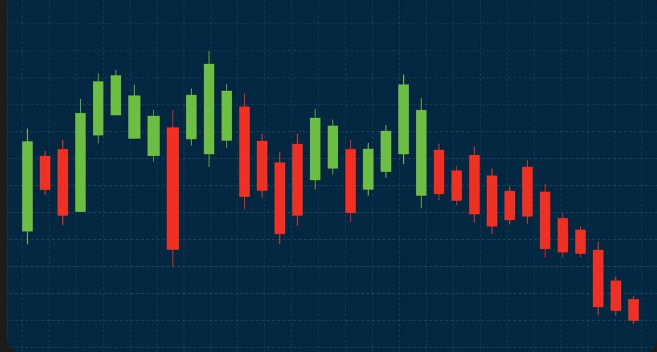
Single candlestick patterns are a foundational element of technical analysis, offering traders quick and actionable insights into market sentiment and potential price movements. Originating from Japanese rice traders in the 18th century, these patterns are widely used today across markets like stocks, forex, cryptocurrencies, and commodities. By understanding single candlestick patterns, traders can identify reversals, continuations, or indecision in the market with a single glance at a chart.
In this article, we’ll explore the most important single candlestick patterns, their significance, and how to use them effectively in trading. We’ll also address five frequently asked questions to help you master these essential patterns.
In This Post
What Are Single Candlestick Patterns?
A single candlestick pattern is a formation created by one candlestick that reflects an asset’s price movement over a specific time period (e.g., 1 minute, 1 hour, or 1 day). Each candlestick displays four key price points: the open, close, high, and low. The shape, size, and color of the candlestick—consisting of a body (the range between open and close) and wicks (shadows showing the high and low),provide clues about market dynamics.
Single candlestick patterns are particularly valuable because they are simple to identify and can signal significant market shifts, such as reversals or strong momentum, without requiring multiple candles for context.
Key Single Candlestick Patterns
Here are five of the most common and reliable single candlestick patterns traders should know:
1. Doji
- Description: A Doji candlestick has a very small body, where the opening and closing prices are very close or equal. It often has long upper and lower wicks.
- Significance: Indicates market indecision, often appearing at the top or bottom of a trend. It can signal a potential reversal or continuation, depending on the preceding trend and confirmation.
- Example: A Doji after a strong uptrend may suggest a bearish reversal if followed by a bearish candle.
2. Hammer
- Description: A bullish pattern with a small body near the top of the candle and a long lower wick (at least twice the body’s length). The upper wick is minimal or absent.
- Significance: Signals a potential bullish reversal, typically found at the bottom of a downtrend. It shows that buyers rejected lower prices and pushed the price up.
- Example: A Hammer at a support level often indicates an upcoming upward move.
3. Shooting Star
- Description: A bearish pattern with a small body near the bottom of the candle and a long upper wick (at least twice the body’s length). The lower wick is minimal or absent.
- Significance: Indicates a potential bearish reversal, often appearing at the top of an uptrend. It suggests sellers rejected higher prices, pushing the price down.
- Example: A Shooting Star at a resistance level may signal a downtrend.
4. Marubozu
- Description: A candlestick with a long body and little to no wicks on either end. A bullish Marubozu closes much higher than its open, while a bearish Marubozu closes much lower.
- Significance: Represents strong momentum in the direction of the candle (bullish or bearish). It indicates dominant buying or selling pressure with little opposition.
- Example: A bullish Marubozu in an uptrend suggests continued upward momentum.
5. Spinning Top
- Description: A candlestick with a small body and long upper and lower wicks of roughly equal length.
- Significance: Reflects indecision in the market, with buyers and sellers battling for control. It often appears during consolidation or before a trend reversal.
- Example: A Spinning Top after a prolonged trend may signal a pause or potential reversal.
How to Trade Single Candlestick Patterns
To effectively use single candlestick patterns in trading:
- Context Matters: Always consider the preceding trend and market conditions. For example, a Hammer is more significant at the bottom of a downtrend than in a sideways market.
- Seek Confirmation: Wait for the next candle or additional indicators (e.g., RSI, moving averages) to confirm the pattern’s signal.
- Use Support and Resistance: Patterns are more reliable when they form at key levels, such as support (for bullish patterns) or resistance (for bearish patterns).
- Implement Risk Management: Use stop-loss orders and proper position sizing to protect against false signals.
Benefits of Single Candlestick Patterns
- Simplicity: Easy to identify, making them ideal for beginners.
- Quick Insights: Provide immediate signals without needing multiple candles.
- Versatility: Applicable across all markets (stocks, forex, crypto) and timeframes.
- Reliable Signals: When combined with other tools, these patterns enhance trading accuracy.
Frequently Asked Questions
Are these patterns reliable on every timeframe?
- No. These patterns are far more reliable on higher timeframes (Daily, -Hour, and Weekly). Patterns on 1-minute or 5-minute charts are prone to market noise and are often false signals. A Daily Hammer, for example, represents the net psychology of a full 24 hours of trading, making it a much stronger signal.
What makes a Hammer or Shooting Star strong?
A single-candle pattern is strongest when two conditions are met:
- It forms directly at a key price zone (major Support or Resistance).
- The wick is at least two times the length of the body, showing a definitive and powerful rejection of that price level.
Should I trade as soon as I see a pattern form?
- Never. You should always wait for confirmation. For a reversal signal like the Hammer, you must wait for the next candle to close higher than the Hammer’s close. This confirms that the buyers who rejected the low prices are still in control and driving the trend in the new direction.
What is a “Doji” and why is it also a single-candle signal?
- A Doji is a single candlestick where the Open and Close prices are nearly identical, resulting in a body that looks like a thin line or a cross. While not a direct reversal signal, it is a powerful indecision signal. When a Doji appears after a long trend, it often warns that the momentum is exhausted and a reversal is highly likely.
Does the color of the body matter for these patterns?
- For reversal signals like the Hammer and Shooting Star, the color of the small real body is secondary to the long wick. What matters most is the location and the wick’s length. For a Hammer, if the body is green, it’s slightly stronger as the price closes above the open, but the large lower wick is the primary signal of rejection.