

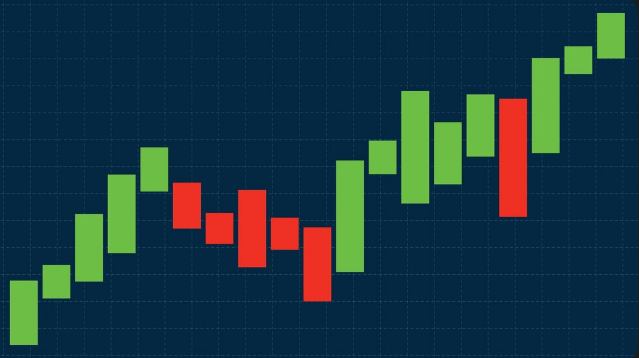
Modern technical analysis is based on Japanese candlesticks, which convert intricate pricing data into straightforward visual indicators of market psychology. They are the market’s language. The most potent and popular candlestick patterns are compiled in this cheat sheet according to the signal they offer, which might be a possible reversal or a continuation of the current trend.
Decode market sentiment and identify high-probability trade patterns at critical support and resistance levels by using this guide as a quick reference.
In This Post
Japanese Candlestick Cheat Sheet
This cheat sheet highlights the most common and reliable candlestick patterns, categorized by type (single, dual, or triple) and their bullish or bearish implications. Each pattern is summarized with its description, significance, and trading tips.
I. Single Candlestick Reversal Patterns
These patterns use the data from just one bar to signal an immediate shift in market control, often indicating exhaustion of the previous trend.
Hammer
- Appearance: A small body at the top of the range with a long lower wick (at least twice the size of the body). It forms specifically after a downtrend.
- Signal & Psychology: This is a Bullish Reversal signal. Sellers aggressively pushed the price lower, but powerful buyers stepped in to reject the lows and force the price back up. This signals a potential bottom.
- Action: Look to Buy (Long) after the Hammer closes, especially when it forms at a major Support level.
Shooting Star
- Appearance: A small body at the bottom of the range with a long upper wick (at least twice the size of the body). It forms specifically after an uptrend.
- Signal & Psychology: This is a Bearish Reversal signal. Buyers pushed the price aggressively higher, but powerful sellers stepped in to reject the highs and force the price back down. This signals a potential top.
- Action: Look to Sell (Short) after the Shooting Star closes, especially when it forms at a major Resistance level.
Inverted Hammer
- Appearance: Same shape as a Shooting Star, but it forms after a downtrend.
- Signal & Psychology: This is a less certain Bullish Reversal. Buyers attempted to push the price high and were rejected, but the close was still stronger than the open, indicating that buyers are testing the market floor.
- Action: Look to Buy (Long), but only with strong confirmation from the next candle closing higher.
Hanging Man
- Appearance: Same shape as a Hammer, but it forms after an uptrend.
- Signal & Psychology: This is a potential Bearish Reversal. The brief, strong rejection of the law suggests that sellers are testing the market and starting to exert control.
- Action: Look to Sell (Short), especially if the next candle is bearish, confirming seller follow-through.
Doji
- Appearance: The Open and Close prices are nearly identical, resulting in a tiny body. Wicks can be long or short.
- Signal & Psychology: Signals Indecision or a state of equilibrium. Neither buyers nor sellers could gain control during the period. It often precedes a major move or a reversal when found at market extremes.
- Action: Wait for Confirmation. Do not trade based on the Doji alone; look at the next candle for the definitive direction of the market break.
II. Dual Candlestick Reversal Patterns
These patterns use the crucial relationship between two consecutive bars to confirm a powerful, decisive shift in control.
Bullish Engulfing
- Appearance: A small bearish body (Red) is completely engulfed by a much larger bullish body (Green). Forms after a downtrend.
- Signal & Psychology: A Strong Bullish Reversal. Buyers were so powerful that they negated all of the previous period’s selling pressure and then pushed prices even higher. This is one of the most reliable reversal signals.
- Action: Buy after the second (engulfing) candle closes. Place your stop-loss below the low of the engulfing candle.
Bearish Engulfing
- Appearance: A small bullish body (Green) is completely engulfed by a much larger bearish body (Red). Forms after an uptrend.
- Signal & Psychology: A Strong Bearish Reversal. Sellers were so powerful that they negated all of the previous period’s buying pressure and then pushed prices significantly lower.
- Action: Sell after the second (engulfing) candle closes. Place your stop-loss above the high of the engulfing candle.
- Appearance: Two or more consecutive candles that share near-identical Lows. Forms after a downtrend.
- Signal & Psychology: Bullish Reversal. Buyers definitively rejected the same low price twice, showing strong institutional support has created a hard floor at that level.
- Action: Buy as soon as the second candle closes higher. The common low establishes your support zone.
- Appearance: Two or more consecutive candles that share near-identical Highs. Forms after an uptrend.
- Signal & Psychology: Sellers definitively rejected the same high price twice, showing strong resistance has created a ceiling at that level.
- Action: Sell as soon as the second candle closes lower. The common high establishes your resistance zone.
III. Continuation Patterns
These patterns signal that the current trend is likely to continue after a brief pause, consolidation, or slight pullback.
- Appearance: A candle with a large body and virtually no wicks.
- Signal & Psychology: Strong Continuation/Momentum. Shows absolute, unchallenged control by either buyers or sellers throughout the entire period, with the close near the extreme of the range.
- Action: Continue trading in the direction of the Marubozu; use it to confirm the momentum of a breakout or the strength of an existing trend.
- Appearance: A large bullish candle, followed by three small bearish candles that consolidate within the range of the first candle, and then a final large bullish candle.
- Signal & Psychology: Bullish Continuation. The main uptrend paused to absorb profits, but buyers are still firmly in control and successfully resumed the move.
- Action: Buy after the final large bullish candle closes, confirming the continuation.
- Appearance: A large bearish candle, followed by three small bullish candles that consolidate within the range of the first candle, and then a final large bearish candle.
- Signal & Psychology: The main downtrend paused for sellers to consolidate, but they successfully resumed the downward pressure.
- Action: Sell after the final large bearish candle closes, confirming the continuation.
Frequently Asked Questions
Which timeframe should I use for these patterns?
- The most reliable patterns form on higher timeframes (Daily, $4$-Hour, and $1$-Hour charts). Low timeframes (like $5$-minute or $15$-minute) generate too much noise and frequent false signals, leading to high trading risk. Always prioritize the signal from the $4$-Hour or Daily chart.
Are these patterns guaranteed signals?
- No, absolutely not. Candlestick patterns are indicators of probability, not certainty. Their effectiveness multiplies when they align with a strong Support or Resistance level, a key Trend Line, or a major Fibonacci Retracement zone. Always wait for confluence before executing a trade.
What does it mean if a candle has no wicks?
- A candle with no wicks is called a Marubozu. It signifies that the price opened and closed near the period’s high and low extremes, showing unquestioned dominance by one side (either buyers or sellers). It is a powerful sign of momentum and commitment to the current direction.
What is the most reliable single reversal pattern?
- The Engulfing Pattern (both Bullish and Bearish) is generally considered the most reliable reversal pattern. This is because the second candle completely overrides the price action of the previous period, providing a strong visual confirmation of a decisive shift in market control.
Why must I wait for the candle to close before trading a pattern?
- Waiting for the candle to close prevents you from falling victim to false signals (whipsaws). A candle might look like a Hammer halfway through the period, but if selling pressure returns before the close, it might end up closing as a normal bearish candle with a small wick. The final close locks in the true psychological outcome of that period.