

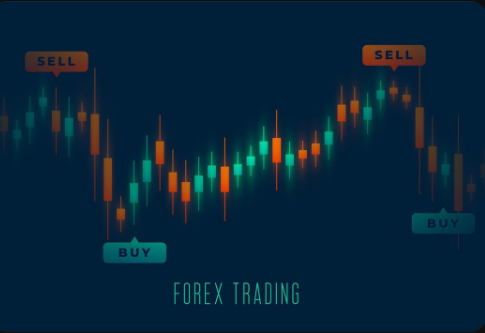
By recognizing basic Japanese candlestick patterns, traders can identify trends, reversals, and market sentiment with greater confidence. Once you understand the anatomy of a single Japanese Candlestick, the next step is to learn how these candles group together to form patterns. These candlestick patterns are the earliest and clearest visual signals that the market is about to reverse or continue its current trend.
Mastering these basic patterns allows you to anticipate shifts in market psychology before indicators confirm the move, giving you a critical edge in timing your trade entries and exits.
In This Post
Key Basic Japanese Candlestick Patterns
1. Single-Candle Reversal Patterns (Most Powerful)
These patterns often appear at the end of strong trends and require only one candle to signal a potential shift in direction. They are most reliable when they form at a key Support or Resistance level.
- Appearance: A small body at the top of the candle with a very long lower wick (or shadow), and little to no upper wick. It looks like a hammer or a paddle.
- What It Means: This pattern typically appears after a downtrend. Sellers tried to push the price down to a new low (forming the long lower wick), but were forcefully overwhelmed by buyers who pushed the price all the way back up to close near the high.
- Action: Signals strong rejection of lower prices and suggests a high probability of a bullish move to follow.
The Hanging Man (Bearish Reversal)
- Appearance: Identical in structure to the Hammer (small body, long lower wick), but it appears after an uptrend.
- What It Means: This signals that even though buyers managed to close the price near the top, the strong push lower that formed the long wick indicates that heavy selling pressure entered the market. It warns that the buyers may be exhausted.
- Action: Signals that the bullish momentum is potentially ending, suggesting a high probability of a bearish move.
The Shooting Star (Bearish Reversal)
- Appearance: A small body at the bottom of the candle with a very long upper wick and little to no lower wick. It appears after an uptrend.
- What It Means: Buyers aggressively tried to push the price to a new high (forming the long upper wick), but sellers stepped in decisively and rejected the price, forcing it to close near the low.
- Action: Signals strong rejection of higher prices and suggests a high probability of a bearish move to follow.
2. Multi-Candle Reversal Patterns (Requires Confirmation)
These patterns use two or more candles to confirm the shift in momentum and are often considered more reliable than single-candle patterns.
- Appearance: A small bearish (red) candle is immediately followed by a much larger bullish (green) candle whose body completely covers or “engulfs” the body of the previous candle. It appears after a downtrend.
- What It Means: This is a powerful signal that the buyers have decisively entered the market and overpowered the sellers in a single period. The bullish candle’s close above the previous candle’s open shows a clear momentum shift.
- Action: Signals the initiation of a strong bullish trend reversal.
- Appearance: A small bullish (green) candle is immediately followed by a much larger bearish (red) candle whose body completely covers the body of the previous candle. It appears after an uptrend.
- What It Means: This signals that the sellers have decisively taken control, wiping out all the gains of the previous period and more. It confirms a strong psychological shift.
- Action: Signals the initiation of a strong bearish trend reversal.
3. Continuation Patterns (Trend Confirmation)
These patterns signal that the current trend is likely to pause briefly before continuing in the same direction.
The Doji (Indecision)
- Appearance: A candle where the Open and Close prices are virtually identical, forming a tiny body that looks like a horizontal line or cross.
- What It Means: Dojis indicate indecision or a stalemate. If a Doji appears in the middle of a strong trend, it usually means the market is pausing to consolidate before the dominant trend resumes.
- Action: Used primarily as a warning or a signal for consolidation. A trade is typically resumed when the next candle breaks the high or low of the Doji.
The Spinning Top (Consolidation)
- Appearance: A small body (can be bullish or bearish) with long wicks on both sides.
- What It Means: Like the Doji, it shows indecision. Buyers and sellers were active, but the closing price was close to the opening price. When seen after a large-momentum candle, it suggests a brief period of rest or consolidation before the dominant trend resumes.
- Action: Wait for the consolidation period to end and the price to break either the high or low of the Spinning Top range.
How to Use Basic Candlestick Patterns in Trading
To effectively trade with candlestick patterns:
- Confirm the Trend: Identify the prevailing trend (uptrend, downtrend, or consolidation) before interpreting a pattern.
- Look for Confluence: Combine patterns with support/resistance levels, moving averages, or indicators like RSI or MACD for stronger signals.
- Wait for Confirmation: Avoid acting on a pattern alone. Wait for the next candle or additional indicators to confirm the signal.
- Practice Risk Management: Use stop-loss orders and proper position sizing to protect against false signals.
Benefits of Learning Basic Candlestick Patterns
- Easy to Learn: Basic patterns are simple to identify, making them ideal for beginners.
- Versatile Application: Applicable across all financial markets and timeframes.
- Improved Decision-Making: Patterns provide clear signals for entries and exits.
- Historical Reliability: Proven effective for centuries in various market conditions.
Frequently Asked Questions
Are candlestick patterns guaranteed to work?
- No, no pattern in trading is guaranteed. Candlestick patterns are simply probabilities. They are most effective when they appear at key confluence areas, meaning the pattern forms right at a major Support or Resistance level, a Trend Line, or a psychological round number. Context is everything.
Which timeframe gives the most reliable candlestick signals?
- Higher timeframes (Daily, 4-Hour, and Weekly) provide the most reliable candlestick signals. This is because each candle on these charts summarizes a far greater amount of trading activity and noise, making the resulting pattern a stronger indication of institutional intent. Short-term patterns on 1-minute or 5-minute charts are prone to false signals.
What is the difference between a Hammer and a Hanging Man?
- The only difference is the context of the preceding trend. Both look identical (small body, long lower wick). If the pattern appears after a downtrend, it’s a Hammer (bullish reversal). If it appears after an uptrend, it’s a Hanging Man (bearish reversal warning).
How do I confirm a Bullish Engulfing Pattern?
- You confirm the pattern by observing the close of the second, larger candle. For a strong signal, the second (bullish) candle must not only engulf the previous one but should also close significantly above the previous candle’s high, showing true momentum. Furthermore, you should confirm the signal with a technical indicator, like an oversold condition on the RSI.
Should I trade as soon as I see a pattern?
- No. You should wait for confirmation. For a reversal pattern, you should wait for the candle following the pattern to open and begin moving in the anticipated direction. For instance, after a Hammer, wait for the next candle to close higher before initiating a long (buy) trade. This reduces the risk of being caught in a temporary fake out.