

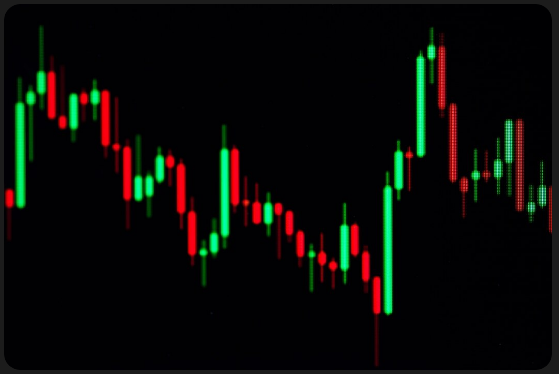
Candlesticks are a more potent tool for spotting high-probability trade situations when paired with support and resistance levels. Candlestick patterns at support and resistance levels offer important hints about the future direction of prices and serve as important price zones where markets frequently reversal or consolidate.
What Are Support and Resistance?
- Support: A price level where buying interest is strong enough to prevent further price declines, often acting as a “floor.”
- Resistance: A price level where selling pressure halts price increases, acting as a “ceiling.”
These levels are identified by analyzing historical price action where prices repeatedly bounce (support) or reverse (resistance). Combining candlestick patterns with these zones increases the likelihood of successful trades by confirming market sentiment at critical levels.
In This Post
Why Combine Candlesticks with Support and Resistance?
Candlestick patterns, such as Doji, Hammer, or Engulfing, reveal market psychology through price action. When these patterns form at support or resistance levels, they signal stronger trading opportunities because:
- Enhanced Reliability: Patterns at key levels are more likely to predict reversals or continuations.
- Clear Entry/Exit Points: Support and resistance provide precise price zones for trade setups.
- Market Confirmation: Candlesticks at these levels confirm whether buyers or sellers are in control.
- Versatility: This strategy works across all markets and timeframes, from intraday to long-term trading.
Key Candlestick Patterns at Support and Resistance
Here are some of the most effective candlestick patterns to watch for at support and resistance levels:
1. Hammer at Support
- Description: A single candle with a small body near the top and a long lower wick, forming at a support level during a downtrend.
- Significance: Signals a bullish reversal, indicating buyers defended the support level, rejecting lower prices.
- Trading Tip: Enter a buy trade after a bullish confirmation candle; place a stop-loss below the support.
2. Shooting Star at Resistance
- Description: A single candle with a small body near the bottom and a long upper wick, forming at a resistance level during an uptrend.
- Significance: Suggests a bearish reversal, showing sellers rejected higher prices at resistance.
- Trading Tip: Wait for a bearish follow-through candle before entering a short trade; set a stop-loss above the resistance.
3. Bullish Engulfing at Support
- Description: A small bearish candle followed by a larger bullish candle that engulfs the first’s body, forming at a support level.
- Significance: Indicates strong buying pressure, suggesting a reversal from a downtrend to an uptrend.
- Trading Tip: Confirm with volume spikes or indicators like RSI; target the next resistance level for profits.
4. Bearish Engulfing at Resistance
- Description: A small bullish candle followed by a larger bearish candle that engulfs the first’s body, forming at a resistance level.
- Significance: Signals a bearish reversal, showing sellers have overtaken buyers at a key ceiling.
- Trading Tip: Use a bearish confirmation candle and place a stop-loss above the resistance.
5. Doji at Support or Resistance
- Description: A candle with a very small body (open and close prices are close) and long wicks, forming at either support or resistance.
- Significance: Reflects market indecision, often preceding a reversal or breakout depending on the trend and confirmation.
- Trading Tip: Wait for the next candle to determine direction; combine with volume or other indicators for clarity.
How to Trade Candlesticks with Support and Resistance
To effectively trade this strategy:
- Identify Support and Resistance: Use historical price levels, trendlines, pivot points, or Fibonacci retracement to mark key zones.
- Spot Candlestick Patterns: Look for patterns like Hammer, Shooting Star, or Engulfing at these levels.
- Confirm Signals: Wait for a confirmation candle or use indicators like MACD, RSI, or volume to validate the setup.
- Set Trade Parameters: Enter trades with clear stop-loss (below support for buys, above resistance for sells) and profit targets (next support/resistance or Fibonacci extension).
- Practice Risk Management: Risk no more than 1-2% of your account per trade and aim for a favorable risk-reward ratio (e.g., 1:2).
Benefits of Combining Candlesticks with Support and Resistance
- Higher Probability Trades: Patterns at key levels are more reliable than those in random zones.
- Clear Market Insights: Combines price action (candlesticks) with structural levels (support/resistance) for better decision-making.
- Universal Application: Works in all markets, including forex, stocks, crypto, and commodities, across any timeframe.
- Improved Timing: Helps traders enter and exit trades at optimal price points.
Frequently Asked Questions
Why are candlestick patterns more reliable at support and resistance levels?
- Candlestick patterns at support and resistance levels are more reliable because these zones represent areas of significant buying or selling pressure, where price reversals or consolidations are more likely to occur.
How do I identify support and resistance levels for candlestick trading?
- Identify support and resistance by analyzing historical price action where prices repeatedly reverse or stall. Use tools like trendlines, pivot points, moving averages, or Fibonacci retracement levels to mark these zones.
Which candlestick patterns work best at support and resistance?
- Patterns like Hammer, Shooting Star, Bullish Engulfing, Bearish Engulfing, and Doji are most effective at support and resistance due to their clear reversal or indecision signals.
Should I trade candlestick patterns at support and resistance without confirmation?
- No, always seek confirmation from a follow-through candle, increased volume, or technical indicators like RSI or MACD to reduce false signals and improve trade accuracy.
Can this strategy be used in all markets and timeframes?
- Yes, combining candlestick patterns with support and resistance is effective across all markets (stocks, forex, crypto, commodities) and timeframes, from 1-minute charts for scalping to daily charts for swing trading.