

How to Trade Support and Resistance

How to Trade Support and Resistance

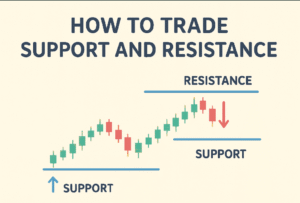
Support and Resistance are crucial concepts in Technical Analysis, indicating key price levels where supply and demand have historically shifted, leading to price reversals. Understanding and trading these levels is vital for identifying high-probability entry points and managing risk. Support
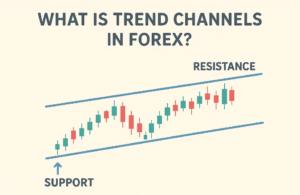
What is Trend Channels in Forex?

What is Trend Channels in Forex?

Trend channels are a vital tool in forex trading, helping traders identify market direction, potential reversals, and profitable trading opportunities. By visually mapping price movements, trend channels provide clarity in the fast-paced world of currency trading. Whether you’re analyzing EUR/USD

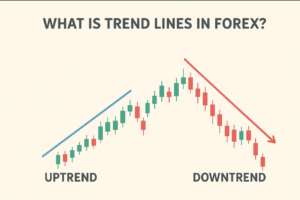
What is Trend Lines in Forex?

What is Trend Lines in Forex?

In the world of Forex Technical Analysis, Trend Lines are arguably the simplest, yet most powerful tools a trader can use. They provide an immediate visual representation of the market’s direction, speed, and potential reversal points. Mastery of drawing and

What is Support and Resistance?

What is Support and Resistance?

In the world of financial trading, understanding support and resistance levels is essential for making informed decisions. These concepts form the backbone of technical analysis, helping traders predict potential price movements in stocks, forex, cryptocurrencies, and other assets. Whether you’re

Types of Price Charts and How to Read Them

Types of Price Charts and How to Read Them

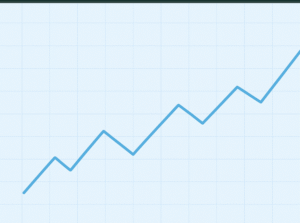
Understanding how to read a price chart is the single most important skill for a Forex trader. The chart is where all market action—the collective struggle between buyers and sellers is visualized. Without the ability to interpret this visual language,

Line vs Bar vs Candlestick: Which is the Right Chart to Use?

Line vs Bar vs Candlestick: Which is the Right Chart to Use?

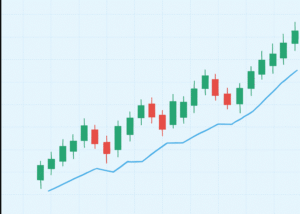
Understanding the distinctions between Line, Bar, and Candlestick charts is crucial for developing a robust trading strategy. The foundation of Technical Analysis is the chart. Without a chart, a trader is navigating blindly. While all charts display price action, they

Forex trading involves predicting currency price movements, and analysis is key to making informed decisions. The three primary types of analysis—fundamental, technical, and sentiment, each offer unique insights into the market. But which one is best? The answer isn't straightforward; it depends on your trading style, time horizon, and risk tolerance. Many experts argue that no single method reigns supreme, and combining them often yields the best results. In this article, we'll explore each type, compare them, and help you determine the optimal approach for your forex strategy. Technical Analysis: The Timing and Entry Tool Technical Analysis is the study of past price data, patterns, and indicators to forecast future movements. Its greatest strength lies in precision and timing. Advantages of Technical Analysis Precision Entry/Exit: Technical Analysis provides clear, actionable price levels (Support and Resistance) where a trader can place a trade, a stop-loss, and a take-profit. It answers the when and where. Universally Applicable: The principles of Technical Analysis (e.g., trend lines, Fibonacci) work across any currency pair and any time frame (from -minute to monthly charts). Discipline Enforcement: Technical Analysis naturally encourages the use of stop-losses and rules-based trading, as it is a highly visual and measurable method. Disadvantages of Technical Analysis Lagging Indicators: Many technical tools, such as Moving Averages, reflect past price action, leading to delayed signals. Lacks Context: Technical Analysis cannot explain why a price broke a major support level. It ignores the economic or political event that caused the volatility. Fundamental Analysis: The Directional Bias Tool Fundamental Analysis is the evaluation of economic health, interest rates, and political stability to determine a currency’s intrinsic value and overall trend direction. Advantages of Fundamental Analysis Identifies Long-Term Trends: Fundamental Analysis explains the multi-month or multi-year moves in a currency pair, driven by interest rate differentials or economic cycles. It answers the why. Predicts Volatility: Traders using FA know exactly when high-impact news releases (like NFP or central bank decisions) are expected, allowing them to prepare for major market moves. Confirms Value: It helps traders assess whether a currency is genuinely undervalued or overvalued based on real economic health. Disadvantages of Fundamental Analysis Poor Timing: Fundamental Analysis often lacks the precision required for short-term entry points. A currency might be fundamentally strong, but remain range-bound for weeks until a technical catalyst occurs. Complexity: It requires a deep understanding of global macroeconomics, central bank mandates, and how various reports interact. Sentiment Analysis: The Risk and Reversal Tool Sentiment Analysis measures the net positioning of traders (the collective mood) to identify highly crowded trades that are vulnerable to massive reversals. Advantages of Sentiment Analysis Contrarian Signal: Sentimental Analysis identifies market extremes, warning the trader when too many people are positioned on one side, signaling an imminent snap-back or reversal. Liquidity Check: It highlights potential areas where stop-losses are clustered, which professionals often target to fuel their move. Disadvantages of Sentiment Analysis Not a Direct Signal: Sentimental Analysis does not tell you when to enter; it only warns you of the potential for a reversal. You still need a technical trigger to confirm the shift. Data Availability: Reliable sentiment data, particularly institutional data from the COT Report, is often delayed (weekly releases). The Verdict: The Power of Integration The best type of analysis is the one that effectively combines all three. You should use them as filters in a funnel: Fundamental Analysis(Direction): Determine the long-term bias (e.g., Fundamentally, the USD is weakening). Sentimental Analysis( Risk Check): Verify that the trade is not crowded (e.g., Ensure retail traders aren't already massively short the USD). Technical Analysis (Timing): Execute the trade at a low-risk, high-probability technical level (e.g., Enter the trade only when the price breaks a key resistance line on the 4-hour chart). By using this integrated hybrid approach, you ensure that your trade has a strong fundamental reason to move, is safe from immediate reversal risk, and is entered with precision. Frequently Asked Questions Which analysis type is better for day trading? Technical Analysis is generally considered best for day trading. Since day traders focus on short-term price fluctuations, they rely heavily on indicators, support/resistance levels, and chart patterns to find high-frequency entry and exit points within a single trading day. Is it possible to trade successfully using only one analysis method? Yes, but it involves taking on more risk. Some traders specialize only in price action (a form of TA) or only in news trading (a form of FA). However, relying on a single method leaves you vulnerable to market surprises that your chosen method cannot account for. How often should I check Fundamental Analysis? A Fundamental view should be checked weekly or monthly to establish a directional bias (the long-term trend). You should also check the Economic Calendar daily to know exactly when high-impact news events are scheduled so you avoid trading during periods of unpredictable volatility. What is the biggest mistake new traders make regarding analysis? The biggest mistake is "analysis paralysis," where a trader over-analyzes the market, causing conflicting signals from different indicators and preventing them from taking any action. Effective trading demands a simplified, consistent process. Should I follow the COT Report if I am a short-term trader? Yes. While the COT Report reflects long-term institutional positioning, its extremes can signal that a long-term trend is about to reverse. If a long-term trend reverses, even short-term traders face powerful headwinds. Therefore, use the COT data as a monthly warning sign or risk filter. Forex trading involves predicting currency price movements, and analysis is key to making informed decisions. The three primary types of analysis—fundamental, technical, and sentiment, each offer unique insights into the market. But which one is best? The answer isn't straightforward; it depends on your trading style, time horizon, and risk tolerance. Many experts argue that no single method reigns supreme, and combining them often yields the best results. In this article, we'll explore each type, compare them, and help you determine the optimal approach for your forex strategy. Technical Analysis: The Timing and Entry Tool Technical Analysis is the study of past price data, patterns, and indicators to forecast future movements. Its greatest strength lies in precision and timing. Advantages of Technical Analysis Precision Entry/Exit: Technical Analysis provides clear, actionable price levels (Support and Resistance) where a trader can place a trade, a stop-loss, and a take-profit. It answers the when and where. Universally Applicable: The principles of Technical Analysis (e.g., trend lines, Fibonacci) work across any currency pair and any time frame (from -minute to monthly charts). Discipline Enforcement: Technical Analysis naturally encourages the use of stop-losses and rules-based trading, as it is a highly visual and measurable method. Disadvantages of Technical Analysis Lagging Indicators: Many technical tools, such as Moving Averages, reflect past price action, leading to delayed signals. Lacks Context: Technical Analysis cannot explain why a price broke a major support level. It ignores the economic or political event that caused the volatility. Fundamental Analysis: The Directional Bias Tool Fundamental Analysis is the evaluation of economic health, interest rates, and political stability to determine a currency’s intrinsic value and overall trend direction. Advantages of Fundamental Analysis Identifies Long-Term Trends: Fundamental Analysis explains the multi-month or multi-year moves in a currency pair, driven by interest rate differentials or economic cycles. It answers the why. Predicts Volatility: Traders using FA know exactly when high-impact news releases (like NFP or central bank decisions) are expected, allowing them to prepare for major market moves. Confirms Value: It helps traders assess whether a currency is genuinely undervalued or overvalued based on real economic health. Disadvantages of Fundamental Analysis Poor Timing: Fundamental Analysis often lacks the precision required for short-term entry points. A currency might be fundamentally strong, but remain range-bound for weeks until a technical catalyst occurs. Complexity: It requires a deep understanding of global macroeconomics, central bank mandates, and how various reports interact. Sentiment Analysis: The Risk and Reversal Tool Sentiment Analysis measures the net positioning of traders (the collective mood) to identify highly crowded trades that are vulnerable to massive reversals. Advantages of Sentiment Analysis Contrarian Signal: Sentimental Analysis identifies market extremes, warning the trader when too many people are positioned on one side, signaling an imminent snap-back or reversal. Liquidity Check: It highlights potential areas where stop-losses are clustered, which professionals often target to fuel their move. Disadvantages of Sentiment Analysis Not a Direct Signal: Sentimental Analysis does not tell you when to enter; it only warns you of the potential for a reversal. You still need a technical trigger to confirm the shift. Data Availability: Reliable sentiment data, particularly institutional data from the COT Report, is often delayed (weekly releases). The Verdict: The Power of Integration The best type of analysis is the one that effectively combines all three. You should use them as filters in a funnel: Fundamental Analysis(Direction): Determine the long-term bias (e.g., Fundamentally, the USD is weakening). Sentimental Analysis( Risk Check): Verify that the trade is not crowded (e.g., Ensure retail traders aren't already massively short the USD). Technical Analysis (Timing): Execute the trade at a low-risk, high-probability technical level (e.g., Enter the trade only when the price breaks a key resistance line on the 4-hour chart). By using this integrated hybrid approach, you ensure that your trade has a strong fundamental reason to move, is safe from immediate reversal risk, and is entered with precision. Frequently Asked Questions Which analysis type is better for day trading? Technical Analysis is generally considered best for day trading. Since day traders focus on short-term price fluctuations, they rely heavily on indicators, support/resistance levels, and chart patterns to find high-frequency entry and exit points within a single trading day. Is it possible to trade successfully using only one analysis method? Yes, but it involves taking on more risk. Some traders specialize only in price action (a form of TA) or only in news trading (a form of FA). However, relying on a single method leaves you vulnerable to market surprises that your chosen method cannot account for. How often should I check Fundamental Analysis? A Fundamental view should be checked weekly or monthly to establish a directional bias (the long-term trend). You should also check the Economic Calendar daily to know exactly when high-impact news events are scheduled so you avoid trading during periods of unpredictable volatility. What is the biggest mistake new traders make regarding analysis? The biggest mistake is "analysis paralysis," where a trader over-analyzes the market, causing conflicting signals from different indicators and preventing them from taking any action. Effective trading demands a simplified, consistent process. Should I follow the COT Report if I am a short-term trader? Yes. While the COT Report reflects long-term institutional positioning, its extremes can signal that a long-term trend is about to reverse. If a long-term trend reverses, even short-term traders face powerful headwinds. Therefore, use the COT data as a monthly warning sign or risk filter.

Which Type of Analysis is Best for Forex Trading?

Forex trading involves predicting currency price movements, and analysis is key to making informed decisions. The three primary types of analysis—fundamental, technical, and sentiment, each offer unique insights into the market. But which one is best? The answer isn’t straightforward;

What is Sentiment Analysis in Forex?

What is Sentiment Analysis in Forex?

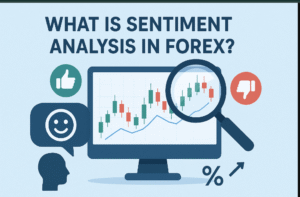
Sentiment analysis in forex is a trading approach that evaluates the overall mood or attitude of market participants toward a currency pair or the broader forex market. It focuses on gauging whether traders are predominantly bullish (optimistic) or bearish (pessimistic),

What is Fundamental Analysis in Forex

What is Fundamental Analysis in Forex?

If Technical Analysis focuses on what the price is doing, Fundamental Analysis focuses on the economic engine that drives the price—the why. Fundamental Analysis is the systematic evaluation of economic, social, and political factors that influence the supply and demand

What is Technical Analysis in Forex?

What is Technical Analysis in Forex?

Technical analysis in forex is a method traders use to predict future price movements by analyzing historical price data and market patterns. Unlike fundamental analysis, which focuses on economic factors, technical analysis relies on charts, indicators, and trends to guide

How to Trade Support and Resistance

How to Trade Support and Resistance

Support and Resistance are crucial concepts in Technical Analysis, indicating key price levels where supply and demand have historically shifted, leading to price reversals. Understanding and trading these levels is vital for identifying high-probability entry points and managing risk. Support
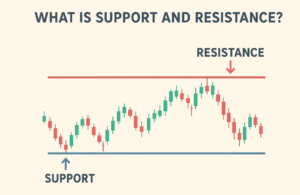
What is Trend Channels in Forex?

What is Trend Channels in Forex?

Trend channels are a vital tool in forex trading, helping traders identify market direction, potential reversals, and profitable trading opportunities. By visually mapping price movements, trend channels provide clarity in the fast-paced world of currency trading. Whether you’re analyzing EUR/USD

What is Trend Lines in Forex?

What is Trend Lines in Forex?

In the world of Forex Technical Analysis, Trend Lines are arguably the simplest, yet most powerful tools a trader can use. They provide an immediate visual representation of the market’s direction, speed, and potential reversal points. Mastery of drawing and

What is Support and Resistance?

What is Support and Resistance?

In the world of financial trading, understanding support and resistance levels is essential for making informed decisions. These concepts form the backbone of technical analysis, helping traders predict potential price movements in stocks, forex, cryptocurrencies, and other assets. Whether you’re

Types of Price Charts and How to Read Them

Types of Price Charts and How to Read Them

Understanding how to read a price chart is the single most important skill for a Forex trader. The chart is where all market action—the collective struggle between buyers and sellers is visualized. Without the ability to interpret this visual language,

Line vs Bar vs Candlestick: Which is the Right Chart to Use?

Line vs Bar vs Candlestick: Which is the Right Chart to Use?

Understanding the distinctions between Line, Bar, and Candlestick charts is crucial for developing a robust trading strategy. The foundation of Technical Analysis is the chart. Without a chart, a trader is navigating blindly. While all charts display price action, they

Forex trading involves predicting currency price movements, and analysis is key to making informed decisions. The three primary types of analysis—fundamental, technical, and sentiment, each offer unique insights into the market. But which one is best? The answer isn't straightforward; it depends on your trading style, time horizon, and risk tolerance. Many experts argue that no single method reigns supreme, and combining them often yields the best results. In this article, we'll explore each type, compare them, and help you determine the optimal approach for your forex strategy. Technical Analysis: The Timing and Entry Tool Technical Analysis is the study of past price data, patterns, and indicators to forecast future movements. Its greatest strength lies in precision and timing. Advantages of Technical Analysis Precision Entry/Exit: Technical Analysis provides clear, actionable price levels (Support and Resistance) where a trader can place a trade, a stop-loss, and a take-profit. It answers the when and where. Universally Applicable: The principles of Technical Analysis (e.g., trend lines, Fibonacci) work across any currency pair and any time frame (from -minute to monthly charts). Discipline Enforcement: Technical Analysis naturally encourages the use of stop-losses and rules-based trading, as it is a highly visual and measurable method. Disadvantages of Technical Analysis Lagging Indicators: Many technical tools, such as Moving Averages, reflect past price action, leading to delayed signals. Lacks Context: Technical Analysis cannot explain why a price broke a major support level. It ignores the economic or political event that caused the volatility. Fundamental Analysis: The Directional Bias Tool Fundamental Analysis is the evaluation of economic health, interest rates, and political stability to determine a currency’s intrinsic value and overall trend direction. Advantages of Fundamental Analysis Identifies Long-Term Trends: Fundamental Analysis explains the multi-month or multi-year moves in a currency pair, driven by interest rate differentials or economic cycles. It answers the why. Predicts Volatility: Traders using FA know exactly when high-impact news releases (like NFP or central bank decisions) are expected, allowing them to prepare for major market moves. Confirms Value: It helps traders assess whether a currency is genuinely undervalued or overvalued based on real economic health. Disadvantages of Fundamental Analysis Poor Timing: Fundamental Analysis often lacks the precision required for short-term entry points. A currency might be fundamentally strong, but remain range-bound for weeks until a technical catalyst occurs. Complexity: It requires a deep understanding of global macroeconomics, central bank mandates, and how various reports interact. Sentiment Analysis: The Risk and Reversal Tool Sentiment Analysis measures the net positioning of traders (the collective mood) to identify highly crowded trades that are vulnerable to massive reversals. Advantages of Sentiment Analysis Contrarian Signal: Sentimental Analysis identifies market extremes, warning the trader when too many people are positioned on one side, signaling an imminent snap-back or reversal. Liquidity Check: It highlights potential areas where stop-losses are clustered, which professionals often target to fuel their move. Disadvantages of Sentiment Analysis Not a Direct Signal: Sentimental Analysis does not tell you when to enter; it only warns you of the potential for a reversal. You still need a technical trigger to confirm the shift. Data Availability: Reliable sentiment data, particularly institutional data from the COT Report, is often delayed (weekly releases). The Verdict: The Power of Integration The best type of analysis is the one that effectively combines all three. You should use them as filters in a funnel: Fundamental Analysis(Direction): Determine the long-term bias (e.g., Fundamentally, the USD is weakening). Sentimental Analysis( Risk Check): Verify that the trade is not crowded (e.g., Ensure retail traders aren't already massively short the USD). Technical Analysis (Timing): Execute the trade at a low-risk, high-probability technical level (e.g., Enter the trade only when the price breaks a key resistance line on the 4-hour chart). By using this integrated hybrid approach, you ensure that your trade has a strong fundamental reason to move, is safe from immediate reversal risk, and is entered with precision. Frequently Asked Questions Which analysis type is better for day trading? Technical Analysis is generally considered best for day trading. Since day traders focus on short-term price fluctuations, they rely heavily on indicators, support/resistance levels, and chart patterns to find high-frequency entry and exit points within a single trading day. Is it possible to trade successfully using only one analysis method? Yes, but it involves taking on more risk. Some traders specialize only in price action (a form of TA) or only in news trading (a form of FA). However, relying on a single method leaves you vulnerable to market surprises that your chosen method cannot account for. How often should I check Fundamental Analysis? A Fundamental view should be checked weekly or monthly to establish a directional bias (the long-term trend). You should also check the Economic Calendar daily to know exactly when high-impact news events are scheduled so you avoid trading during periods of unpredictable volatility. What is the biggest mistake new traders make regarding analysis? The biggest mistake is "analysis paralysis," where a trader over-analyzes the market, causing conflicting signals from different indicators and preventing them from taking any action. Effective trading demands a simplified, consistent process. Should I follow the COT Report if I am a short-term trader? Yes. While the COT Report reflects long-term institutional positioning, its extremes can signal that a long-term trend is about to reverse. If a long-term trend reverses, even short-term traders face powerful headwinds. Therefore, use the COT data as a monthly warning sign or risk filter. Forex trading involves predicting currency price movements, and analysis is key to making informed decisions. The three primary types of analysis—fundamental, technical, and sentiment, each offer unique insights into the market. But which one is best? The answer isn't straightforward; it depends on your trading style, time horizon, and risk tolerance. Many experts argue that no single method reigns supreme, and combining them often yields the best results. In this article, we'll explore each type, compare them, and help you determine the optimal approach for your forex strategy. Technical Analysis: The Timing and Entry Tool Technical Analysis is the study of past price data, patterns, and indicators to forecast future movements. Its greatest strength lies in precision and timing. Advantages of Technical Analysis Precision Entry/Exit: Technical Analysis provides clear, actionable price levels (Support and Resistance) where a trader can place a trade, a stop-loss, and a take-profit. It answers the when and where. Universally Applicable: The principles of Technical Analysis (e.g., trend lines, Fibonacci) work across any currency pair and any time frame (from -minute to monthly charts). Discipline Enforcement: Technical Analysis naturally encourages the use of stop-losses and rules-based trading, as it is a highly visual and measurable method. Disadvantages of Technical Analysis Lagging Indicators: Many technical tools, such as Moving Averages, reflect past price action, leading to delayed signals. Lacks Context: Technical Analysis cannot explain why a price broke a major support level. It ignores the economic or political event that caused the volatility. Fundamental Analysis: The Directional Bias Tool Fundamental Analysis is the evaluation of economic health, interest rates, and political stability to determine a currency’s intrinsic value and overall trend direction. Advantages of Fundamental Analysis Identifies Long-Term Trends: Fundamental Analysis explains the multi-month or multi-year moves in a currency pair, driven by interest rate differentials or economic cycles. It answers the why. Predicts Volatility: Traders using FA know exactly when high-impact news releases (like NFP or central bank decisions) are expected, allowing them to prepare for major market moves. Confirms Value: It helps traders assess whether a currency is genuinely undervalued or overvalued based on real economic health. Disadvantages of Fundamental Analysis Poor Timing: Fundamental Analysis often lacks the precision required for short-term entry points. A currency might be fundamentally strong, but remain range-bound for weeks until a technical catalyst occurs. Complexity: It requires a deep understanding of global macroeconomics, central bank mandates, and how various reports interact. Sentiment Analysis: The Risk and Reversal Tool Sentiment Analysis measures the net positioning of traders (the collective mood) to identify highly crowded trades that are vulnerable to massive reversals. Advantages of Sentiment Analysis Contrarian Signal: Sentimental Analysis identifies market extremes, warning the trader when too many people are positioned on one side, signaling an imminent snap-back or reversal. Liquidity Check: It highlights potential areas where stop-losses are clustered, which professionals often target to fuel their move. Disadvantages of Sentiment Analysis Not a Direct Signal: Sentimental Analysis does not tell you when to enter; it only warns you of the potential for a reversal. You still need a technical trigger to confirm the shift. Data Availability: Reliable sentiment data, particularly institutional data from the COT Report, is often delayed (weekly releases). The Verdict: The Power of Integration The best type of analysis is the one that effectively combines all three. You should use them as filters in a funnel: Fundamental Analysis(Direction): Determine the long-term bias (e.g., Fundamentally, the USD is weakening). Sentimental Analysis( Risk Check): Verify that the trade is not crowded (e.g., Ensure retail traders aren't already massively short the USD). Technical Analysis (Timing): Execute the trade at a low-risk, high-probability technical level (e.g., Enter the trade only when the price breaks a key resistance line on the 4-hour chart). By using this integrated hybrid approach, you ensure that your trade has a strong fundamental reason to move, is safe from immediate reversal risk, and is entered with precision. Frequently Asked Questions Which analysis type is better for day trading? Technical Analysis is generally considered best for day trading. Since day traders focus on short-term price fluctuations, they rely heavily on indicators, support/resistance levels, and chart patterns to find high-frequency entry and exit points within a single trading day. Is it possible to trade successfully using only one analysis method? Yes, but it involves taking on more risk. Some traders specialize only in price action (a form of TA) or only in news trading (a form of FA). However, relying on a single method leaves you vulnerable to market surprises that your chosen method cannot account for. How often should I check Fundamental Analysis? A Fundamental view should be checked weekly or monthly to establish a directional bias (the long-term trend). You should also check the Economic Calendar daily to know exactly when high-impact news events are scheduled so you avoid trading during periods of unpredictable volatility. What is the biggest mistake new traders make regarding analysis? The biggest mistake is "analysis paralysis," where a trader over-analyzes the market, causing conflicting signals from different indicators and preventing them from taking any action. Effective trading demands a simplified, consistent process. Should I follow the COT Report if I am a short-term trader? Yes. While the COT Report reflects long-term institutional positioning, its extremes can signal that a long-term trend is about to reverse. If a long-term trend reverses, even short-term traders face powerful headwinds. Therefore, use the COT data as a monthly warning sign or risk filter.

Which Type of Analysis is Best for Forex Trading?

Forex trading involves predicting currency price movements, and analysis is key to making informed decisions. The three primary types of analysis—fundamental, technical, and sentiment, each offer unique insights into the market. But which one is best? The answer isn’t straightforward;

What is Sentiment Analysis in Forex?

What is Sentiment Analysis in Forex?

Sentiment analysis in forex is a trading approach that evaluates the overall mood or attitude of market participants toward a currency pair or the broader forex market. It focuses on gauging whether traders are predominantly bullish (optimistic) or bearish (pessimistic),

What is Fundamental Analysis in Forex

What is Fundamental Analysis in Forex?

If Technical Analysis focuses on what the price is doing, Fundamental Analysis focuses on the economic engine that drives the price—the why. Fundamental Analysis is the systematic evaluation of economic, social, and political factors that influence the supply and demand

What is Technical Analysis in Forex?

What is Technical Analysis in Forex?

Technical analysis in forex is a method traders use to predict future price movements by analyzing historical price data and market patterns. Unlike fundamental analysis, which focuses on economic factors, technical analysis relies on charts, indicators, and trends to guide

×
This website uses cookies and asks your personal data to enhance your browsing experience. We are committed to protecting your privacy and ensuring your data is handled in compliance with the General Data Protection Regulation (GDPR).

Join waitlist

Stay equipped and build your knowledge around the financial market. Get notified when we have fully launched.

coming soon app